A User-Centered Approach to Brain-Computer Interfaces
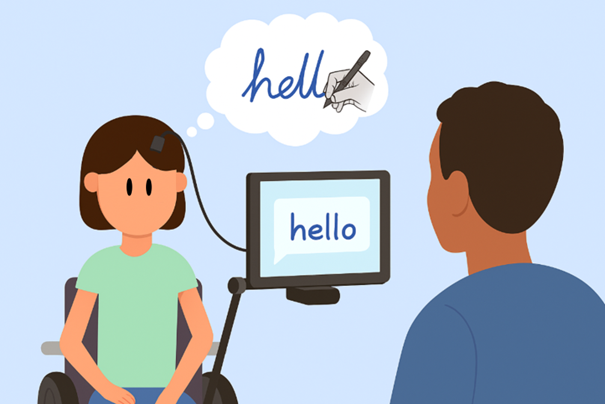
While brain-computer interfaces (BCIs) hold great potential for restoring communication for individuals with severe motor-related speech impairments, their success depends on meeting user needs. End-user insights are essential to identify missing features in current assistive tools and translate them into future functionalities. Despite the recognized importance of user-centered design, it re mains underused in BCI development.
This study addresses these challenges by involving individuals with motor-related speech impairments, a caregiver, and experts to inform the development of communication BCI (cBCI) software. Interviews results were evaluated to identify communication challenges, followed by individual brainstorming to generate feature ideas. These were refined and prioritized in an expert co-design session, guiding the development of proto types that were then evaluated in a survey with potential end-users. The interviews yielded seven problem statement: access, tempo, mobility, reliability, voice, emotion, and training. Experts prioritized features supporting efficiency, autonomy, and expressiveness, which informed ten mid-fidelity prototypes.
In the survey, features were classified using the Kano Model: Word and Sentence Prediction and Environmental Control emerged as must-be features, while Custom Voice Options and Touch Messages were attractive, while others such as Typing Indicator and Emotional Expressions were indifferent. These findings highlight the need to prioritize speed and independence in cBCIs while gradually incorporating features that support identity and social connection, providing a framework for the design of systems that are both functional and meaningful in everyday life.
Grade: 8
To read the full research paper or see the prototypes (appendix D), Click here: Enhancing Brain-Computer Interface Usability and Design: Identifying and Evaluating Communication Functionalities for Individuals with Locked-In Syndrome
 Rosa de Freitas